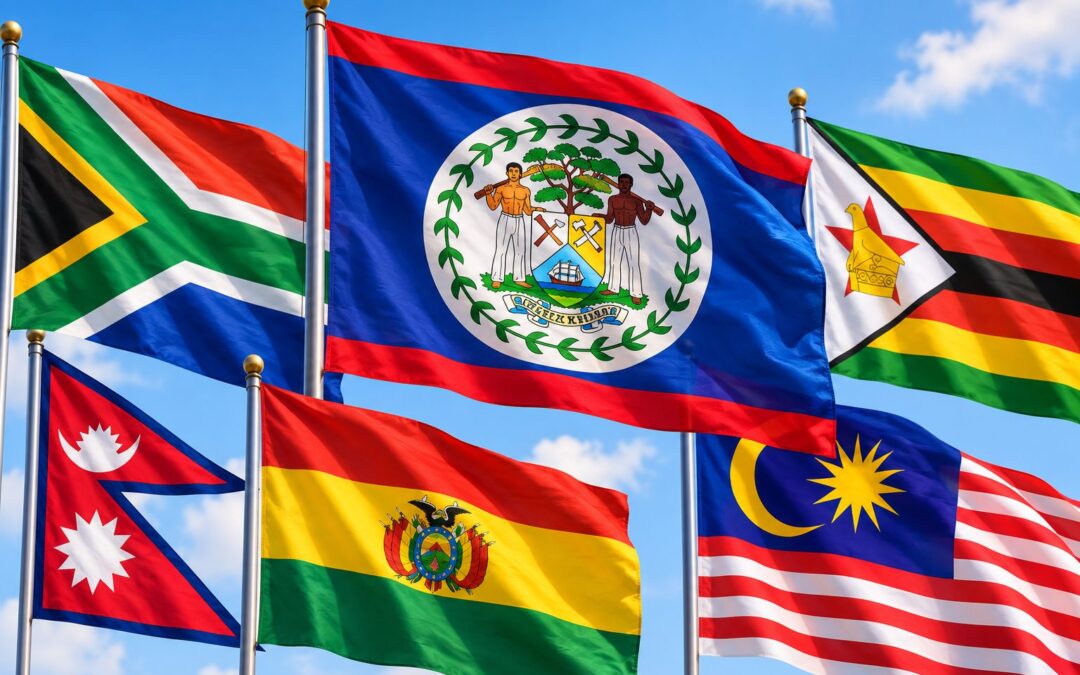
How many country flag emojis are there is one of the most common questions people ask when they scroll through their emoji keyboard and notice flags for almost every nation. The short answer is that there are 258 country flag emojis for sovereign states and territories based on ISO codes, and 261 total flag emojis when you include England, Scotland, and Wales. If you count special non-country flags like the rainbow flag and pirate flag, the total rises to around 270. In this guide, you will learn the exact count, why the number changes across platforms, how flag emojis work technically, and how to use them correctly without confusion or mistakes.
Many people are surprised that the answer is not simply 195 for the 195 recognized countries in the world. Flag emojis also cover dependent territories, exceptionally reserved codes, and regional subdivisions, which pushes the total well above 200. You will also discover why some flags appear on iPhone but show as letters on Windows, which flags are missing, and what future updates might bring. By the end, you will have a clear, practical understanding of country flag emojis and how to use them confidently in texts, social media, and business communication.
Quick Answer To Country Flag Emoji Count
There are 258 country flag emojis encoded in the Unicode Standard using regional indicator symbols, which form the core set supported on most modern phones and apps. These cover all ISO 3166-1 alpha-2 codes, including 249 officially assigned country codes plus exceptionally reserved codes like EU for the European Union and UN for the United Nations.
When you add the three subdivision flags for England, Scotland, and Wales, the total becomes 261 fully qualified flag emojis listed in Emoji Test data. These three are special because they use tag sequences rather than regional indicators, which is why they sometimes fail to display on older systems or Windows devices.
If you include other flag-related emojis such as the chequered flag, triangular flag, crossed flags, white flag, rainbow flag, transgender flag, and pirate flag, the overall flag emoji family grows to about 270. Most people asking how many country flag emojis are there mean only national and territorial flags, so 258 is the most accurate everyday answer.
The exact number you see can vary by platform and update. Apple, Google, Samsung, and Twitter generally support the full 258 to 261 set, while Windows historically showed two-letter codes instead of colorful flags. Keeping your operating system and apps updated is the easiest way to ensure you see the complete current collection.
The count will likely stay stable for years because Unicode has paused new regional flag additions. That means learning the current total, categories, and display rules now will keep you informed for a long time without needing constant updates.
What Country Flag Emojis Mean For Everyday Users
Country flag emojis are small digital icons that represent nations, territories, and supranational organizations. They help people show nationality, location, language, travel plans, and cultural pride in a quick visual way.
1. Representation Of National Identity
National identity is the most common meaning behind country flag emojis, as people use them to show where they were born, where they live, or which team they support. A single flag in a bio or username can instantly communicate heritage and pride without needing extra words or long explanations for followers and friends.
2. Indication Of Location And Travel
Location and travel context is another major use, where flags mark departure cities, destinations, stopovers, or dream vacations in posts and messages. Travel bloggers, airlines, and friends planning trips often pair flags with airplane and hotel emojis to create clear, friendly itineraries that are easy to scan and understand quickly.
3. Symbol Of Language And Translation
Language indication is a practical meaning, even though flags do not equal languages perfectly. Many users add a flag next to text to show that content is available in Spanish, French, Arabic, or Japanese, which helps multilingual audiences choose the right version. While linguists prefer language names, flags remain a popular visual shortcut on social media.
4. Expression Of Support And Solidarity
Support and solidarity become visible through flag emojis during global events, natural disasters, sports tournaments, and cultural celebrations. People add flags to profiles and posts to raise awareness, express sympathy, or cheer for a country, making the emoji a simple but powerful symbol of empathy and worldwide connection.
5. Marker Of Cultural Interests
Cultural interests such as food, music, movies, and festivals are often signaled with relevant country flags. A fan of Korean dramas, Italian cuisine, or Brazilian music might use those flags to find communities and recommendations. This use turns flags into discovery tools that connect like-minded people across different countries and backgrounds.
6. Sign Of Business And Global Reach
Business and global reach are increasingly shown with multiple flags to indicate shipping destinations, service areas, office locations, or international clients. Online stores and freelancers use flags to build trust and clarity, showing customers at a glance which markets they serve without cluttering product descriptions with long country lists.
How Country Flag Emojis Are Created With Regional Indicators
Country flag emojis are not single images but clever combinations of two regional indicator letters. Learning this system explains why the total count matches ISO codes and why some combinations do not produce a flag.
1. Regional Indicator Symbol System
The regional indicator system includes 26 special Unicode characters from A to Z that combine in pairs to form flags. For example, U plus S creates the United States flag, while J plus P creates Japan. There are 676 possible pairs mathematically, but only those matching valid region codes are recognized as flags by Unicode.
2. Role Of ISO Country Codes
ISO 3166-1 alpha-2 codes provide the official two-letter list that determines which pairs become valid country flag emojis. Every assigned code like FR for France, IN for India, BR for Brazil, and NG for Nigeria gets a flag sequence. This direct link to ISO is why the flag count tracks closely with international standards rather than political opinions.
3. Exceptionally Reserved Codes Included
Exceptionally reserved codes explain why flags for EU and UN exist alongside sovereign nations. The European Union uses EU and the United Nations uses UN, both recognized for practical use. Other reserved codes like AC for Ascension Island and XK for Kosovo appear on some platforms, which causes small differences in total counts between vendors.
4. Subdivision Flags With Tag Sequences
Subdivision flags for England, Scotland, and Wales use a different method called tag sequences instead of regional indicators. They start with the England, Scotland, or Wales base plus special tag characters and a cancel tag. Because this method is more complex, support is less consistent and these three flags often break on older Android versions and Windows.
5. Vendor Rendering And Design Choices
Vendor rendering determines how the same Unicode sequence looks on Apple, Google, Samsung, and other systems. Each company draws its own flag artwork following official color and emblem guidelines. That is why the same country flag emoji can look slightly glossier on iPhone, flatter on Android, and completely absent as letters on some Windows apps.
6. Why New Flags Are Currently Paused
New flag additions are currently paused by Unicode to avoid political disputes and endless requests for regional, cultural, and separatist flags. The Unicode Consortium decided not to accept new regional indicator flags or subdivision flags for now. This freeze keeps the total around 258 to 261 and prevents the list from growing unpredictably each year.
Complete Breakdown Of Country Flag Emoji Numbers
The total number makes more sense when you break it into categories. Not all flags represent independent countries, and that distinction explains the gap between 195 nations and more than 258 flag emojis.
1. Sovereign State Flags Count
Sovereign state flags account for about 193 to 195 emojis, covering United Nations members plus observers like Vatican City and Palestine. These are the flags most people expect, from the United States and Canada to Germany, Australia, and Japan. They form the familiar core that appears in every emoji keyboard with flag support.
2. Dependent Territory Flags Count
Dependent territory flags add roughly 50 more emojis for places like Puerto Rico, Guam, Bermuda, Greenland, Hong Kong, and the Cayman Islands. Although these regions are not independent countries, they have distinct ISO codes and cultural identities. Their inclusion is why travelers and island communities can represent their home accurately with a dedicated flag emoji.
3. Supranational Flags For EU And UN
Supranational flags for the European Union and United Nations bring important international symbols into the emoji set. The EU flag with its circle of stars and the light-blue UN flag are widely used in news, diplomacy, and educational posts. Because they use reserved codes EU and UN, they behave exactly like country flags on supported devices.
4. United Kingdom Subdivision Flags Total
United Kingdom subdivision flags add three more emojis for England, Scotland, and Wales, while Northern Ireland does not have an official emoji flag. These are heavily used during football, rugby, and cultural events where fans want to distinguish English, Scottish, and Welsh identity rather than using the Union Jack for everything.
5. Special Purpose Flag Emojis
Special purpose flag emojis expand the family beyond geography with about seven to ten symbols. This group includes the white flag, black flag, chequered flag, triangular flag, crossed flags, rainbow flag, transgender flag, and pirate flag. They are not counted as country flags but often appear in flag searches, which confuses the total for many users.
6. Platform Differences In Supported Totals
Platform differences mean your phone may show slightly fewer flags than the Unicode maximum. Apple and Google support nearly all 261 flags, Samsung is very close, while Microsoft Windows has historically shown only letter codes for national flags. Web browsers, social apps, and older phones can also substitute monochrome or missing symbols, affecting your personal count.
Benefits Of Using Country Flag Emojis In Messages
Country flag emojis make messages clearer, friendlier, and more engaging. When used thoughtfully, they save space and add visual meaning that plain text cannot match.
- Save Space Quickly: One flag replaces a full country name, keeping bios, headlines, and captions short and easy to read.
- Boost Engagement Rates: Posts with visual symbols stand out in feeds and often earn more attention, taps, and shares.
- Clarify Global Context: Flags instantly show language options, shipping areas, event locations, and travel routes.
- Build Cultural Connection: Using someone’s flag respectfully signals recognition, celebration, and inclusive communication.
- Organize Information Visually: Lists of countries, results, and schedules become easier to scan when each row starts with a flag.
- Add Friendly Personality: Flags bring warmth and excitement to announcements, invitations, and sports commentary.
How To Find And Use Country Flag Emojis Easily
Finding and typing country flag emojis is simple once you know where to look. Follow these practical steps to use them correctly on any device.
- Open The Emoji Keyboard: On mobile, tap the smiley icon, then switch to the flags or travel category to browse national flags alphabetically.
- Search By Country Name: Type words like Japan, Mexico, or Italy in the emoji search bar to filter directly to the flag you need.
- Copy From A Reliable List: If your device hides flags, copy the emoji from a current list and paste it into your message or bio.
- Check Appearance Before Sending: Preview your post on another phone or browser to confirm the flag renders as a colorful icon.
- Update Your System Software: Install the latest iOS, Android, or app updates so missing flags and new designs display properly.
- Use One Or Two Flags: Limit flags to one or two per sentence to keep messages readable and avoid visual clutter.
- Add Alt Text When Important: Include the country name in text for accessibility, since screen readers and some systems announce letter codes.
Practical Country Flag Emoji Use Cases
Country flag emojis work well across personal, creative, and professional contexts. These real-world uses show how to apply them with purpose and clarity.
1. Social Media Bios And Profiles
Social media bios and profiles benefit greatly from one to three flags showing nationality, residence, or languages spoken. A creator might list origin, current city country, and audience language in a compact line. This approach helps new followers instantly understand background and content focus without reading a long biography paragraph.
2. Travel Planning And Recaps
Travel planning and recaps become more vivid when flags mark each stop on an itinerary or photo carousel. Friends can follow a journey from departure to arrival with visual cues that complement maps and dates. Airlines, hotels, and tour guides also use flags to highlight routes and welcome international guests warmly.
3. Sports Events And Fan Posts
Sports events and fan posts rely heavily on flags during the World Cup, Olympics, cricket tournaments, and athletics championships. Supporters add flags to predictions, live commentary, and celebration messages to show loyalty. Broadcasters and pages use them to organize fixtures, scores, and medal tables in a way that fans can scan in seconds.
4. Online Stores And Shipping Info
Online stores and shipping information become clearer with flags indicating delivery countries, warehouse locations, and restricted regions. A product page might show supported markets with small flags beside country names. This visual aid reduces confusion, lowers support questions, and builds confidence for international buyers browsing quickly on mobile devices.
5. Education And Language Learning
Education and language learning content uses flags to label lessons, vocabulary sets, exchange programs, and cultural notes. Teachers mark reading materials by country of origin, while learners track progress across languages. When paired with explanations, flags make geography and culture more memorable for students of all ages.
6. Events And Holiday Announcements
Events and holiday announcements feel more festive with relevant national flags for independence days, cultural festivals, and international conferences. Organizers highlight guest countries, performers, and food stalls using flags in posters and captions. This simple touch attracts diverse audiences and celebrates inclusion in community and corporate gatherings.
Common Country Flag Emoji Mistakes To Avoid
Flag emojis can cause confusion or offense if used carelessly. Avoiding these common mistakes keeps your communication accurate and respectful across cultures.
1. Confusing Similar Flag Designs
Confusing similar flag designs is easy because countries like Romania and Chad, Ireland and Ivory Coast, or Indonesia and Monaco look almost identical at small sizes. Always double-check the country name tooltip before posting, especially for news or official announcements, to prevent embarrassing errors that undermine your credibility with careful readers.
2. Using Flags As Exact Language Labels
Using flags as exact language labels can mislead audiences since Spanish is spoken in many countries and English is global. A Spanish flag does not represent all Spanish speakers, and a British flag may not suit American English learners. Adding the language name in text alongside the flag avoids exclusion and improves clarity for diverse followers.
3. Overloading Posts With Too Many Flags
Overloading posts with too many flags makes content hard to read and can trigger spam filters on some platforms. A wall of twenty flags distracts from your message and slows comprehension on small screens. Choose only the most relevant two to five flags and place the rest of the country names in plain text if needed.
4. Ignoring Platform Display Problems
Ignoring platform display problems leads to broken messages where recipients see only letters like US or FR instead of colorful flags. Windows, older Android versions, and some browsers still lack full color support. Testing your content and adding the country name in words ensures everyone understands your meaning regardless of their device.
5. Using Outdated Or Political Flags
Using outdated or political flags without context can offend or confuse readers during sensitive events. Some historical flags carry strong associations, and disputed regions lack official emojis. Stick to current Unicode flags for formal communication and explain any symbolic use clearly to avoid unintentional political statements or misunderstandings.
6. Forgetting Accessibility For Screen Readers
Forgetting accessibility for screen readers excludes blind and low-vision users who hear flag descriptions read aloud. A string of flags without text can sound like a long list of country names with no context. Including a short written summary, such as tour stops or supported languages, makes your message inclusive and genuinely helpful for every audience member.
Best Practices For Country Flag Emoji Use
Thoughtful flag use improves readability, trust, and engagement. Follow these best practices to get the visual benefits without the common downsides.
1. Pair Every Flag With Clear Text
Pairing every important flag with clear text ensures your message works on all devices and for all abilities. Write the country name nearby so readers on Windows or screen readers still grasp the meaning. This habit also improves search visibility, since text helps algorithms understand your topic better than emoji alone ever could.
2. Verify The Correct Country Code
Verifying the correct country code prevents mix-ups between similar names and territories. Confirm whether you need the United States or US Virgin Islands, mainland China or Hong Kong, and United Kingdom or England. A quick search of the official country name before selecting the emoji saves corrections and shows attention to detail.
3. Keep Flag Counts Low And Relevant
Keeping flag counts low and relevant maintains a clean, professional appearance in bios, ads, and articles. Use flags only where they add meaning, such as destinations served or teams playing. Removing decorative extras helps your key message stand out and keeps loading and rendering fast on mobile connections.
4. Respect Cultural Sensitivities
Respecting cultural sensitivities means using flags to celebrate rather than stereotype or joke about nations and peoples. Avoid pairing flags with negative symbols or assumptions about behavior, food, or language. When covering serious news, place flags neutrally and focus on facts to maintain trust with international readers and customers.
5. Update Devices And Apps Regularly
Updating devices and apps regularly guarantees access to the latest flag designs, bug fixes, and rendering improvements. Vendors occasionally refine colors, emblems, and proportions to match official specifications. Staying current reduces missing symbols and ensures your audience sees polished, accurate flags instead of blank boxes or plain letters.
6. Test Across Major Platforms
Testing across major platforms helps you catch display gaps before publishing important campaigns or guides. Preview your content on iPhone, Android, desktop browser, and social apps to see how flags appear. If a key flag fails somewhere, adjust the layout or add text labels so the message remains clear and attractive everywhere.
Frequently Asked Questions
1. How Many Country Flag Emojis Are There In Total?
There are 258 country flag emojis for ISO regions, plus England, Scotland, and Wales, making 261 total national-style flags. Including special flags like rainbow and pirate brings the broader flag family to about 270. Most keyboards show 258 to 261 depending on version and platform support.
2. Why Do I See Letters Instead Of Country Flags?
You see two letters instead of a colorful flag when your platform does not render regional indicator sequences as images. This commonly happens on Windows, older Android systems, and some browsers. Updating your system or viewing the same message on a newer phone usually fixes the display issue.
3. Which Country Flags Are Missing From Emoji?
Northern Ireland, Kosovo with XK code on many platforms, and some disputed regions do not have widely supported dedicated emojis. Unicode has paused new flag proposals, so these gaps remain. Users often combine nearby flags, text names, or custom images to represent unsupported regions respectfully in posts.
4. Do IPhone And Android Show The Same Flags?
iPhone and Android support nearly the same 258 to 261 country flags, but artwork styles differ slightly in colors and details. Very old versions may miss subdivision flags for England, Scotland, and Wales. Keeping both systems updated ensures the most consistent cross-platform experience for senders and recipients.
5. How Can I Quickly Find Any Country Flag Emoji?
You can quickly find any flag by opening your emoji keyboard and typing the country name in search, such as Canada, Brazil, or South Korea. On desktop, use the emoji picker shortcut and search similarly. If search fails, copy the flag from a current emoji list and paste it where needed.
6. Will More Country Flag Emojis Be Added Soon?
More country flag emojis are unlikely soon because Unicode is not accepting new regional or subdivision flag proposals. Future changes will mostly involve design refinements rather than new countries. Unless ISO adds new codes or policy changes, the total should remain stable around 258 to 261 for the foreseeable future.
Conclusion
How many country flag emojis are there comes down to 258 core country and territory flags, 261 including England, Scotland, and Wales, and about 270 when you count special purpose flags. This total reflects ISO standards, Unicode rules, and current platform support rather than just the number of independent nations.
Use flags thoughtfully with clear text, updated devices, and cultural respect to make your messages clearer and more engaging. With this knowledge, you can choose the right flag every time and communicate confidently with a global audience.