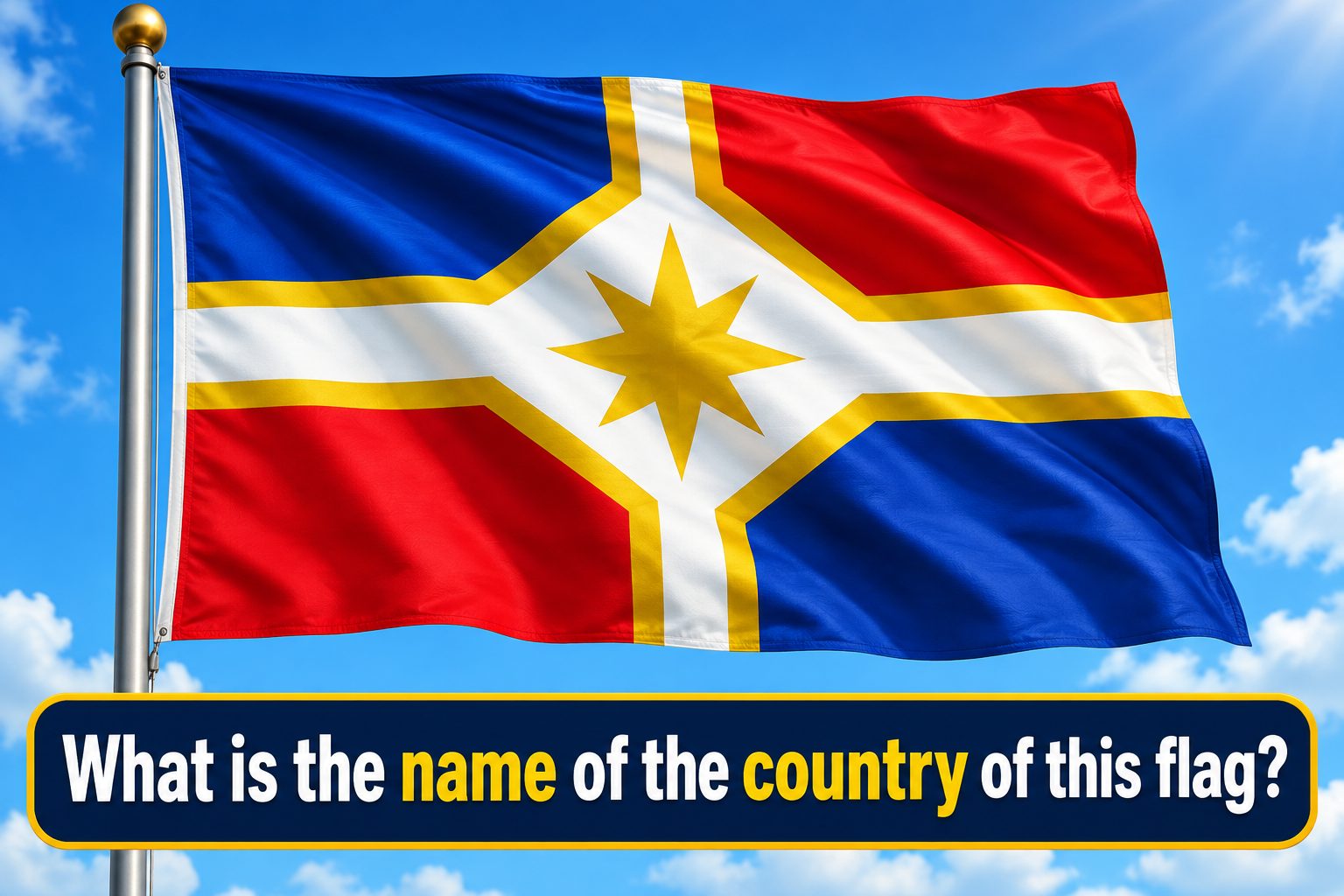
When you see an unfamiliar design and wonder, what is the name of the country of this flag, you are asking one of the most common geography questions online. Flags appear in sports events, news reports, travel videos, school projects, and social media posts, and it is easy to feel curious when you cannot recognize one. This guide will help you identify any national flag with confidence by explaining colors, symbols, patterns, and simple lookup methods. You will learn practical steps, real examples, common mistakes, memory tips, and answers to frequent questions so you never feel stuck again.
You do not need to memorize every flag in the world to get good at this skill. You only need a clear system for observing details and comparing them correctly. In the next sections, we will break down design elements, show useful tools and checklists, and share expert practices that make country flag identification faster, easier, and much more enjoyable for students, travelers, and curious readers.
Why Country Flag Knowledge Matters Today
National flags are powerful symbols of identity, history, and pride. Knowing how to recognize them helps you understand global news, cultural events, and international sports with much greater context and respect.
Flag knowledge also improves everyday communication. When you can name a country from its flag, you can join conversations, help children with homework, and avoid confusion while traveling or shopping for international products.
In education and work, this skill supports geography, history, and global awareness. Teachers, students, customer service workers, and content creators all benefit from being able to identify flags quickly and accurately.
For travelers, flag recognition adds safety and confidence. You can spot embassies, understand local celebrations, follow directions at airports, and show respect by recognizing the host country and its neighbors.
The best part is that flag learning is fun and visual. With a little practice and the right method, anyone can move from guessing to correctly naming most common national flags.
How Country Flag Colors Reveal National Identity
Colors are often the first clue when you ask what is the name of the country of this flag. Many nations choose colors that reflect history, values, nature, or political movements.
1. Red Flags Meaning Courage And Sacrifice
Red is one of the most common colors in national flags because it often stands for courage, bloodshed for freedom, strength, and revolution. You will see it in the flags of countries across Asia, Europe, Africa, and the Americas where independence struggles shaped national stories and pride.
2. Blue Flags Meaning Peace And Unity
Blue often represents peace, freedom, loyalty, justice, and the sky or sea. Many island nations use light blue for the ocean, while darker blue can signal stability and trust. When you see blue stripes or fields, think about coastal geography and ideals of harmony.
3. Green Flags Meaning Nature And Faith
Green frequently symbolizes nature, agriculture, forests, hope, and in some regions Islamic faith. African nations often use green for rich land and growth, while Middle Eastern flags may link green to cultural and religious heritage that helps narrow down the country.
4. Yellow And Gold Flags Meaning Wealth
Yellow or gold usually stands for sunshine, happiness, wealth, natural resources, or a bright future. You will notice it as stars, suns, stripes, or emblems that highlight optimism and prosperity, especially in flags from Africa, South America, and Southeast Asia.
5. Black And White Flags Meaning History
Black can represent determination, heritage, or struggles of the past, while white often means peace, honesty, and neutrality. Together they create strong contrast that makes flags easy to spot, and they often appear in tribands or symbolic emblems.
6. Tricolor Combinations And Regional Patterns
Many countries use three-color horizontal or vertical stripes inspired by shared history. French-inspired vertical tribands are common in Europe and Africa, while Russian-inspired horizontal styles appear in Slavic nations. Recognizing these regional patterns quickly narrows your search for the correct country name.
Common Country Flag Symbols And Their Meanings
Symbols give the strongest hints about a country name because they are unique to culture, religion, and history. Focus on stars, moons, crosses, animals, and emblems.
1. Stars Representing States And Ideals
Stars often stand for unity, freedom, states, provinces, or guiding principles. A single large star can mean independence, while many small stars may count regions or islands. Counting the stars and noting their color and placement will help you match the flag to the right nation.
2. Sun And Moon Symbols In Flags
Sun designs suggest energy, life, and a new beginning, while crescent moons often connect to Islamic heritage. Japan uses a simple red sun, Nepal combines sun and moon shapes, and several nations use rays to show progress and brightness for the future.
3. Crosses Showing Heritage And Faith
Nordic crosses appear in Scandinavian flags and signal shared history and Christian heritage. Other crosses, such as those in Greece, Switzerland, or Georgia, have distinct shapes and placements that make identification easier once you learn the regional styles and background colors.
4. Animals Dragons And Eagles On Flags
Animals show strength and national character. Eagles appear in several national emblems, lions represent courage, and the dragon makes Bhutan and Wales instantly recognizable. If you see an animal, focus on it first because very few flags use them.
5. Shields Emblems And Coats Of Arms
Detailed emblems in the center often include shields, tools, plants, or mottos that tell a national story. Mexico, Spain, Portugal, and many Central American nations use complex coats of arms that look similar at first but differ clearly when you examine shapes and colors closely.
6. Stripes Triangles And Geometric Shapes
Geometric layouts carry meaning too. Horizontal stripes may show landscapes, vertical stripes may show political ideals, and triangles often stand for struggle or progress. The Union Jack in the corner, for example, points to Commonwealth connections like Australia, Fiji, or New Zealand.
Easy Steps To Find Country Name From Any Flag
Follow these simple steps whenever you see an unknown flag and need a fast, accurate country name without guessing.
- Take A Clear Photo: Capture or save a clear image of the flag showing full colors, shapes, and symbols for accurate comparison.
- Note Main Colors: Write down the dominant colors in order and whether stripes are horizontal, vertical, or diagonal.
- Describe Key Symbols: Record stars, moons, crosses, animals, emblems, and their position on the flag.
- Check Layout Style: Identify if it is a triband, cross, triangle, circle, or canton design to narrow regions.
- Use Reverse Image Search: Upload the photo to a visual search tool to get instant country matches.
- Compare Similar Flags: Open a flag database and compare lookalike flags side by side carefully.
- Verify Official Details: Confirm proportions, emblem details, and color shades with a reliable country profile.
- Save For Memory: Save the flag with its country name and one memory clue for faster recall next time.
Popular Country Flag Examples From Around The World
Learning a few famous examples makes it easier to answer what is the name of the country of this flag in real situations. These patterns appear again and again.
1. Japan Simple Red Circle Design
Japan uses a plain white field with a central red circle representing the sun. It is one of the simplest and most recognizable flags in the world. Once you see this minimal design, there is almost no confusion because no other national flag uses the same clean and balanced look.
2. United States Stars And Stripes Pattern
The United States flag has thirteen stripes and fifty white stars on a blue canton. Each star stands for a state, while stripes honor the original colonies. This busy but balanced pattern is widely seen in media and is easy to identify after one careful look.
3. United Kingdom Combined Union Design
The United Kingdom flag combines crosses of England, Scotland, and Ireland in blue, white, and red. This Union Jack also appears inside other national flags, so learning it helps you recognize Australia, New Zealand, Fiji, and several other countries with historic ties.
4. South Africa Six Color Unique Shape
South Africa has a distinctive Y-shaped green band with red, blue, black, yellow, and white. It was adopted to symbolize unity after apartheid and stands out because no other national flag uses the same six colors and converging lines in the center.
5. Brazil Green Field With Globe
Brazil uses a green rectangle with a yellow diamond and a blue globe showing stars and a motto. The design reflects forests, wealth, sky, and astronomy. Its sporty colors and central globe make it one of the easiest flags to spot during football tournaments.
6. Canada Red Maple Leaf Symbol
Canada features two red bands with a white square and a red maple leaf in the middle. The leaf is a strong national symbol tied to nature and identity. This simple vertical layout is clean, memorable, and very different from other red and white flags.
Practical Country Flag Use Cases In Daily Life
Flag identification is not just for quizzes. It helps in school, travel, work, sports, and online research where quick country recognition saves time and prevents mistakes.
1. School Homework And Geography Quizzes
Students often see a flag in a textbook or worksheet and need the country name fast. By checking colors, counting stars, and using a flag chart, they can answer confidently and also learn capitals, continents, and cultural facts that improve overall grades and general knowledge.
2. International Sports And Live Events
During the Olympics or football matches, flags appear on jerseys, scoreboards, and fan banners. Recognizing them helps you follow teams, understand commentary, and enjoy the event more. It also prevents mixing up similar flags from different competing nations.
3. Travel Airports And Border Crossings
Airports, embassies, and border posts display many flags together. Knowing them helps travelers find check-in counters, locate help desks, and respect local customs. It is especially useful when connecting flights involve unfamiliar countries and languages.
4. News Reports And Global Awareness
News stories often show flags behind speakers or on maps without naming the country clearly. If you can identify the flag, you will understand the context faster, follow international developments better, and avoid confusion about which nation is being discussed.
5. Online Shopping And Language Settings
Websites use small flag icons for language, shipping, and currency choices. Picking the wrong flag can lead to wrong language or extra shipping fees. Recognizing flags ensures you select the correct country version and complete your purchase smoothly and safely.
6. Social Media And Trivia Games
Flag challenges are popular on social platforms and quiz apps. Knowing design clues helps you answer faster, earn higher scores, and share helpful explanations with friends. It turns a simple guessing game into a fun way to build world knowledge.
Key Country Flag Identification Tips For Beginners
These quick tips will help you stay organized and avoid confusion when many flags look alike at first glance.
- Start With Layout: Check if stripes are horizontal or vertical before looking at fine details.
- Count The Symbols: Count stars, stripes, or points because numbers often separate similar flags.
- Note Exact Shades: Light blue and dark blue can point to completely different countries.
- Look At Canton Area: The top left corner often reveals historic ties and regional groups.
- Compare Side By Side: Place two similar flags together to spot small emblem or proportion differences.
- Learn Regions First: Study flags by continent so you can narrow choices much faster.
Common Country Flag Identification Mistakes To Avoid
Many errors happen because similar flags differ by only one small detail. Avoiding these mistakes will greatly improve your accuracy when naming the country.
1. Confusing Romania And Chad Flags
Romania and Chad both use vertical blue, yellow, and red stripes that look almost identical in photos. The main difference is the shade of blue and official proportions. Always check a reliable source and compare them directly instead of guessing from memory or a small blurry image.
2. Mixing Indonesia And Poland Flags
Indonesia uses red over white, while Poland uses white over red. When a flag is hanging vertically or waving, it is easy to reverse the order. Look carefully at which color is on top in horizontal designs before deciding the correct country name.
3. Overlooking Small Central Emblems
Spain, Colombia, Ecuador, and Venezuela share warm colors, but emblems and proportions set them apart. Many beginners ignore the small coat of arms in the center. Zoom in and check for shields, condors, or text that confirm the exact nation.
4. Ignoring Flag Proportions And Sizes
Two flags can share colors yet have different length-to-width ratios. Belgium and Germany both use black, yellow, and red, but one is vertical and one is horizontal with different shapes. Always consider layout direction and overall flag shape, not just colors alone.
5. Guessing From Memory Without Checking
Memory can be tricky because many flags change over time or have civil and state versions. Guessing quickly often leads to errors with similar African, European, or Central American designs. Take a moment to verify with an updated flag database before finalizing your answer.
6. Trusting Low Quality Images Online
Blurry screenshots, faded prints, and filtered photos distort colors and hide emblems. A dark yellow can look orange, and a small star can disappear completely. Use high-quality official images for comparison to ensure you identify the correct country with confidence.
Best Practices For Remembering Country Flags Accurately
Good memory habits make flag learning faster and longer lasting. These best practices help you store visual details in a simple and reliable way.
1. Group Flags By Region And Theme
Study flags continent by continent instead of randomly. African flags often share pan-African colors, Arab flags share script and stars, and Nordic flags share crosses. Regional grouping creates mental patterns that make recall easier and reduce confusion between distant countries.
2. Create Simple Visual Memory Hooks
Link each flag to a vivid story or image. Think of Canada as the leaf flag, Japan as the sun flag, and Lebanon as the tree flag. Short visual nicknames give your brain a fast hook that brings back the country name even after a long time.
3. Practice With Flashcards Every Day
Short daily practice works better than long occasional study. Use physical or digital flashcards showing the flag on one side and the country name on the other. Review ten flags per day and repeat mistakes until the shapes and colors feel familiar.
4. Quiz Yourself With Real World Flags
Look for flags in sports broadcasts, news clips, airports, and product labels. Try to name the country before checking. Real-world practice connects learning to everyday life and strengthens memory far better than studying isolated images in a list.
5. Learn Capitals Along With Flags
Pair each flag with its capital and continent. This extra connection gives your brain more paths to the answer. When you see stripes and a star, remembering the capital clue can confirm whether you are thinking of the right country or a close lookalike.
6. Review Similar Flags Together Often
Make special sets for confusing pairs like Ireland and Ivory Coast, or Netherlands and Luxembourg. Study them side by side and note one clear difference. Focused comparison prevents repeat mistakes and builds confidence when tricky flags appear in quizzes or events.
Advanced Methods To Identify Tricky Country Flags
Some flags need deeper analysis because they share colors, history, or emblems. These advanced methods will help you solve the hardest cases with accuracy.
1. Analyze Historical Flag Connections Deeply
Many modern flags evolved from colonial or shared revolutionary roots. Understanding French, British, Soviet, and Pan-Arab influences explains why distant nations look similar. History gives you context that turns random guessing into logical deduction based on region and past relationships.
2. Compare Emblem Details Under Zoom
When colors match, zoom into the central emblem. Check animals, plants, tools, stars, text, and shield shapes. Even tiny differences in eagle wings, star points, or wreath styles can reveal the true country. High-resolution images are essential for this level of careful visual inspection.
3. Check Official Proportions And Construction
Every national flag has official width, length, and symbol placement rules. Measure or compare ratios when photos allow. A slightly longer flag or off-center emblem often separates two lookalikes. Flag databases usually list these technical details for precise verification and confident identification.
4. Study Language Text And Mottos
Some flags include Arabic script, Latin mottos, or national slogans. Learning which languages appear where helps a lot. Even if you cannot read the text, recognizing the script style and position can point directly to the correct region and country without further confusion.
5. Use Multiple Identification Sources Together
Do not rely on one app or website. Combine image search, flag charts, encyclopedia entries, and geography forums. If three independent sources agree on the country name, your answer is likely correct. Cross-checking is especially important for newly changed or rarely seen national flags.
6. Track Recent Flag Changes And Updates
A few countries update flags after political changes, so old images can mislead you. Stay aware of recent adoptions and modifications by checking updated references. Knowing current versions ensures you give the right country name and avoid embarrassing mistakes in school, work, or public content.
Frequently Asked Questions
1. What Is The Fastest Way To Find Country Name From Flag
The fastest way is to use reverse image search with a clear photo of the flag. Upload the image, review the top matches, then verify colors and symbols in a flag database. This method usually gives the correct country name within seconds with high accuracy.
2. Why Do Many Country Flags Look So Similar
Many flags look similar because they share history, religion, or regional movements. Pan-African colors, Pan-Arab colors, Slavic colors, and colonial symbols create groups of related designs. Small differences in emblems, shades, or proportions distinguish each nation within those groups.
3. How Can Kids Learn Country Flags Easily
Kids learn best with games, flashcards, puzzles, and continent-based sets. Start with simple flags like Japan and Canada, use fun memory stories, and practice a few minutes daily. Quizzes during sports events also make learning natural and exciting for young learners.
4. What Should I Check When Two Flags Differ Slightly
Check stripe direction, color shades, number of stars, central emblems, and official proportions. Compare high-quality images side by side and read the construction details. Focusing on one clear difference, such as emblem presence or stripe order, usually solves the confusion quickly.
5. Are There Apps To Identify Country By Flag
Yes, many flag identifier apps and websites let you filter by colors, symbols, and layout or upload a photo. They are helpful for study and travel. For best results, verify the app suggestion with an official country profile before sharing or submitting your final answer.
6. How Do I Remember Flags For Exams And Quizzes
Group flags by region, use visual hooks, practice with flashcards, and review confusing pairs together. Learn capitals alongside flags for stronger memory. Short daily review sessions and real-world practice with news and sports flags will greatly improve recall and accuracy.
Conclusion
Answering what is the name of the country of this flag becomes simple when you observe colors, symbols, layout, and regional patterns step by step. With image search, flag databases, and careful comparison, you can identify almost any national flag accurately.
Keep practicing with real examples, avoid common lookalike mistakes, and use memory hooks to retain what you learn. Soon you will recognize most flags instantly and enjoy a deeper connection to world cultures, travel, and global events.